
Dental prosthesis in JP Nagar: dentures, crowns and bridges
A dental prosthesis replaces or restores teeth so you can chew, speak and smile comfortably. We'll help you choose the option that suits your mouth, health and budget.

What is a dental prosthesis?
A dental prosthesis is any custom-made replacement for part or all of a tooth. It includes crowns, bridges and dentures. Which one suits you depends on how many teeth you have lost or damaged and the condition of the teeth and gums around them.
Crowns
A crown is a cap that covers a tooth that is badly decayed, cracked, worn or has had a root canal. It restores the shape, strength and appearance of the tooth.
Questions about dental prosthesis? Talk to our team.
Bridges
A bridge replaces one or more missing teeth by joining a false tooth to the crowns on the teeth either side of the gap. It is fixed in place, so you don't take it out. It does rely on the neighbouring teeth for support. If you would prefer a fixed option that doesn't, ask about dental implants.
Dentures
A complete denture replaces all the teeth in an arch, and a partial denture fills gaps when you still have some natural teeth. Dentures are removable and are made from impressions of your mouth so that they fit comfortably.
- Examination and impressions. We examine your mouth and take impressions.
- Trial fittings. We check the fit, bite and appearance before the final denture is made.
- Fitting. We fit the denture and make any adjustments.
- Follow-up. We see you again to fix any sore spots and check how you are getting on.
Getting used to new dentures
Expect a short adjustment period. Eating and speaking can feel different at first, and some soreness is common until your gums settle. Start with soft foods, cut food into small pieces and come back to see us if any spot rubs. Small adjustments usually fix it.
Looking after dentures
- Clean them every day with a soft brush and a non-abrasive cleaner
- Take them out at night if your dentist advises, and keep them in water or a cleaning solution
- Handle them over a towel or basin so they don't break if dropped
- Keep your regular reviews, because your gums and jaw change over time and dentures may need adjusting
Care for seniors
Dry mouth caused by medicines, worn teeth and gum recession are common as we age. Regular check-ups help us spot these early. See our seasonal care page for the current seniors' care focus.
Frequently asked questions
How long does it take to get used to dentures?
Most people take a few weeks to feel comfortable. Follow-up adjustments help.
How long do crowns, bridges and dentures last?
It varies with the material, your oral hygiene and your habits. Dentures usually need review and relining or replacing over the years, because your mouth changes.
Which is better: a bridge, dentures or implants?
Each has pros and cons. Bridges are fixed and quicker, dentures can suit people who aren't ready for surgery, and implants don't depend on neighbouring teeth. We explain what fits your situation.
Will a crown hurt?
The tooth is prepared under local anaesthesia, so you shouldn't feel pain during the procedure. It can feel sensitive for a short while afterwards.
Can I eat normally with dentures?
Most people can eat a wide range of foods once they've adjusted. Start with soft foods and build up.
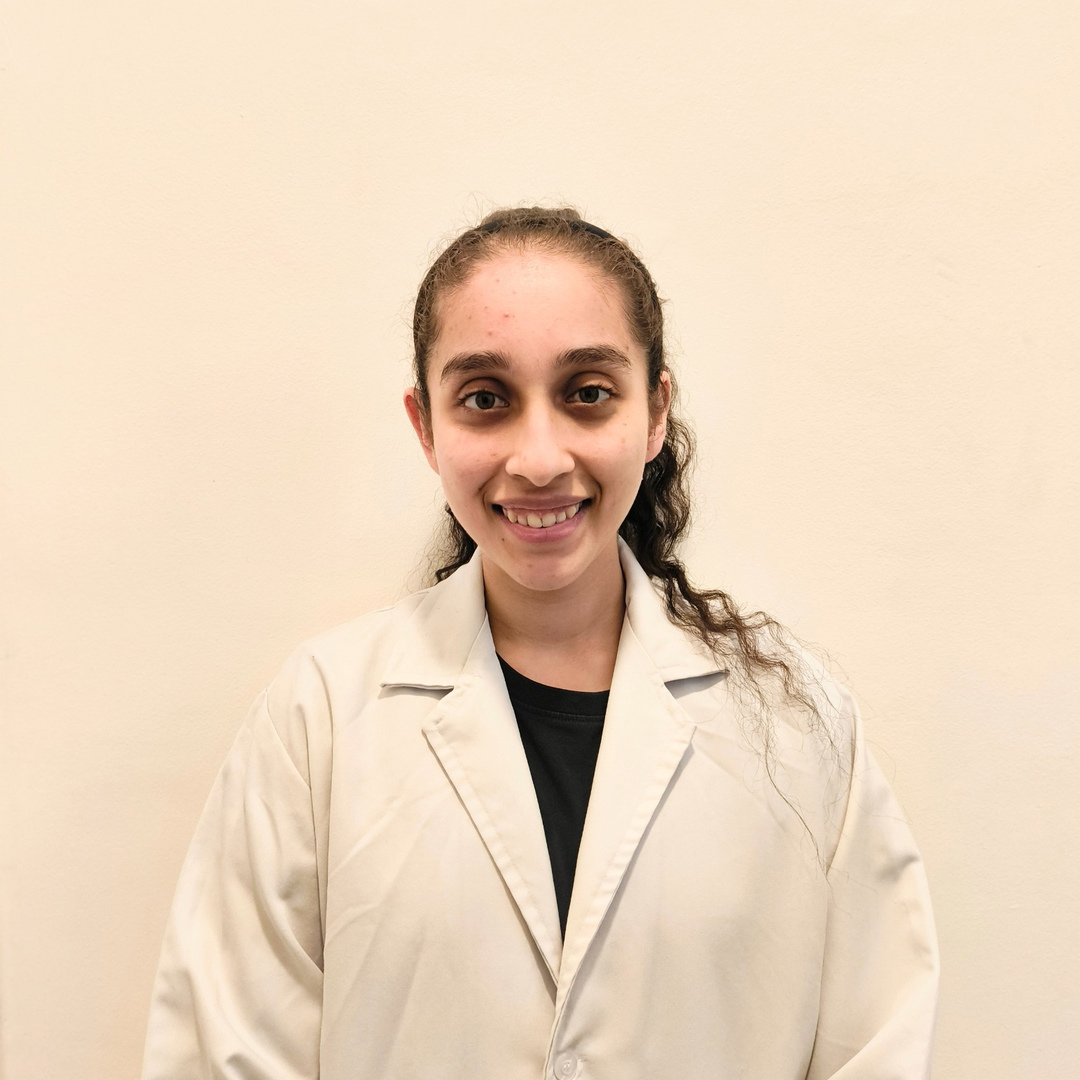
Care with Dr. Zuwaina Khan
Prosthodontist
Plans crowns, bridges and dentures to restore missing or damaged teeth, explained step by step.

Care with Dr. Santhosh Bala
Principal Dentist
Provides crowns, bridges and dentures to restore your teeth, with your options and each stage explained before treatment begins.
Talk to us about dental prosthesis
Call us or message us on WhatsApp to arrange a consultation. We will examine you and explain your options before anything begins.